The Science Behind Technology
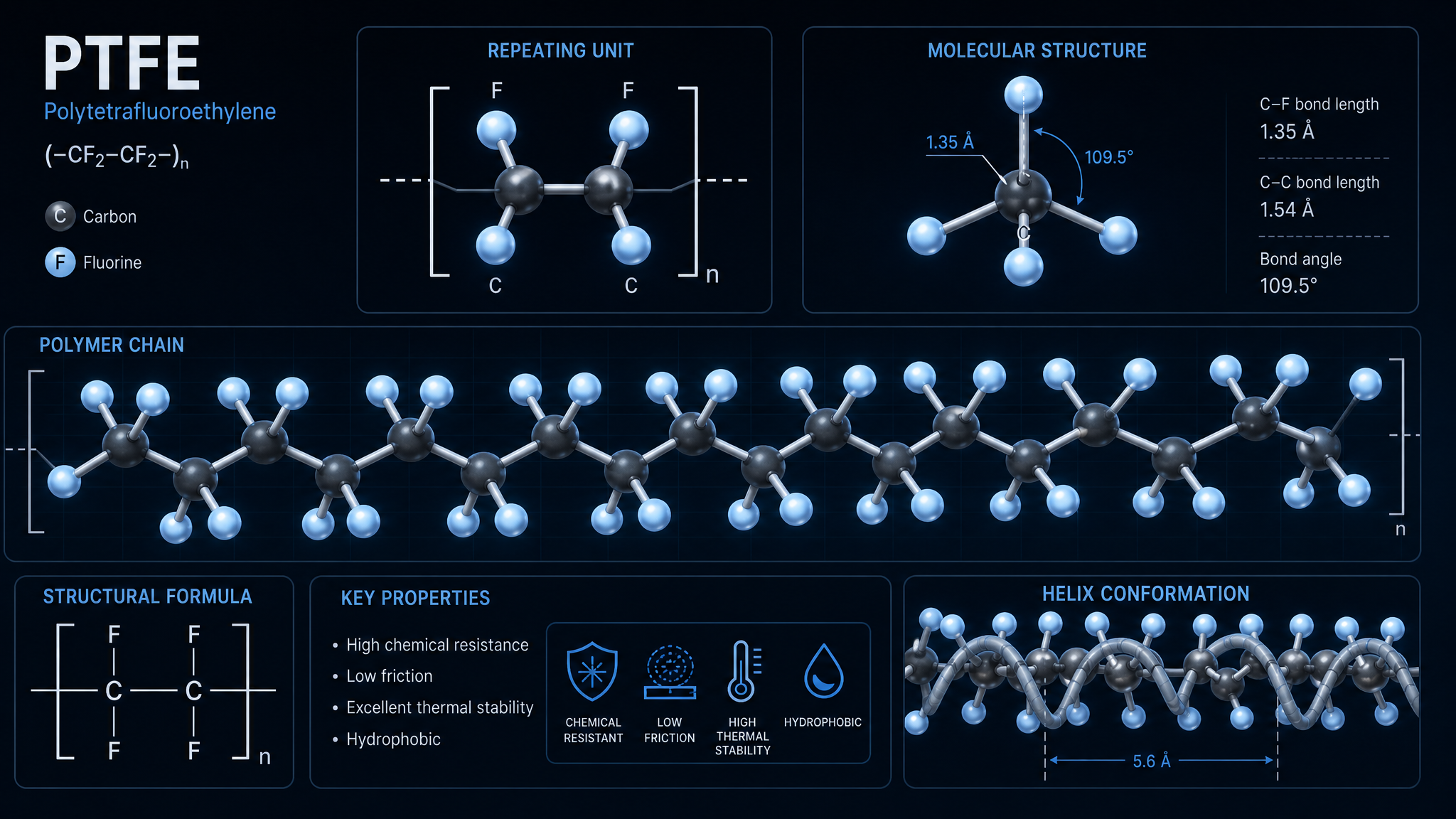
Polytetrafluoroethylene (PTFE) is a fluoropolymer with exceptional properties that make it the ideal base material for high-performance mechanical greases. Teflono harnesses these properties to deliver lubrication solutions that outlast and outperform conventional alternatives.
What Makes PTFE Exceptional?
Extreme Thermal Stability
PTFE maintains structural integrity from -200°C to 327°C, far exceeding conventional lubricants.
Ultra-Low Friction Coefficient
With a coefficient of friction between 0.02–0.10, PTFE offers one of the lowest friction surfaces known.
Chemical Inertness
Resistant to virtually all acids, bases, and solvents, ensuring long-term grease stability.
Hydrophobic Nature
Inherently water-repellent, providing exceptional moisture and corrosion protection.
Engineering Excellence
Every Teflono product undergoes rigorous development, testing, and quality assurance processes.

Research & Development
Our R&D team continuously optimizes PTFE formulations for specific industrial applications.
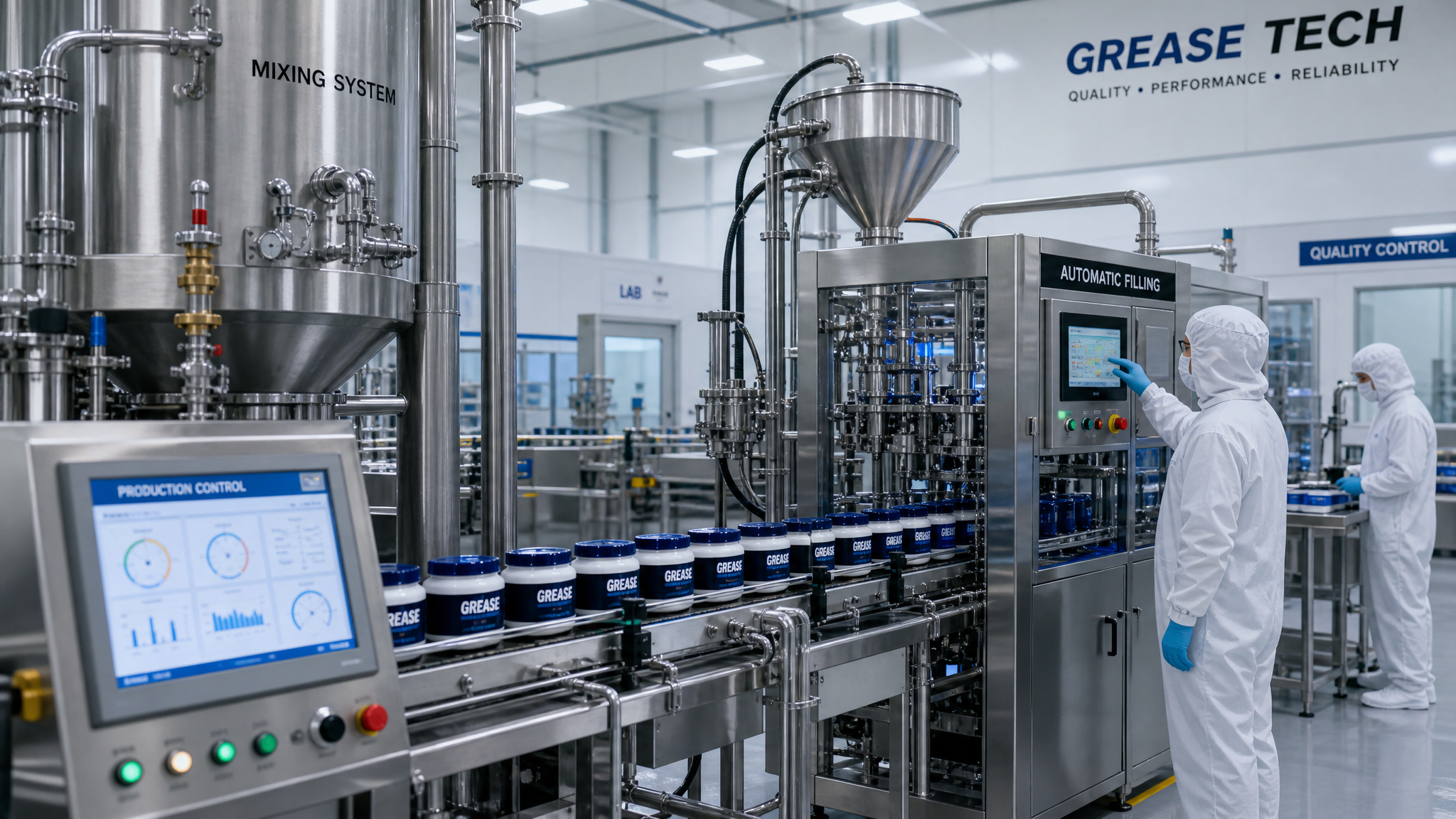
Precision Manufacturing
State-of-the-art facilities ensure consistent quality in every batch of Teflono grease.
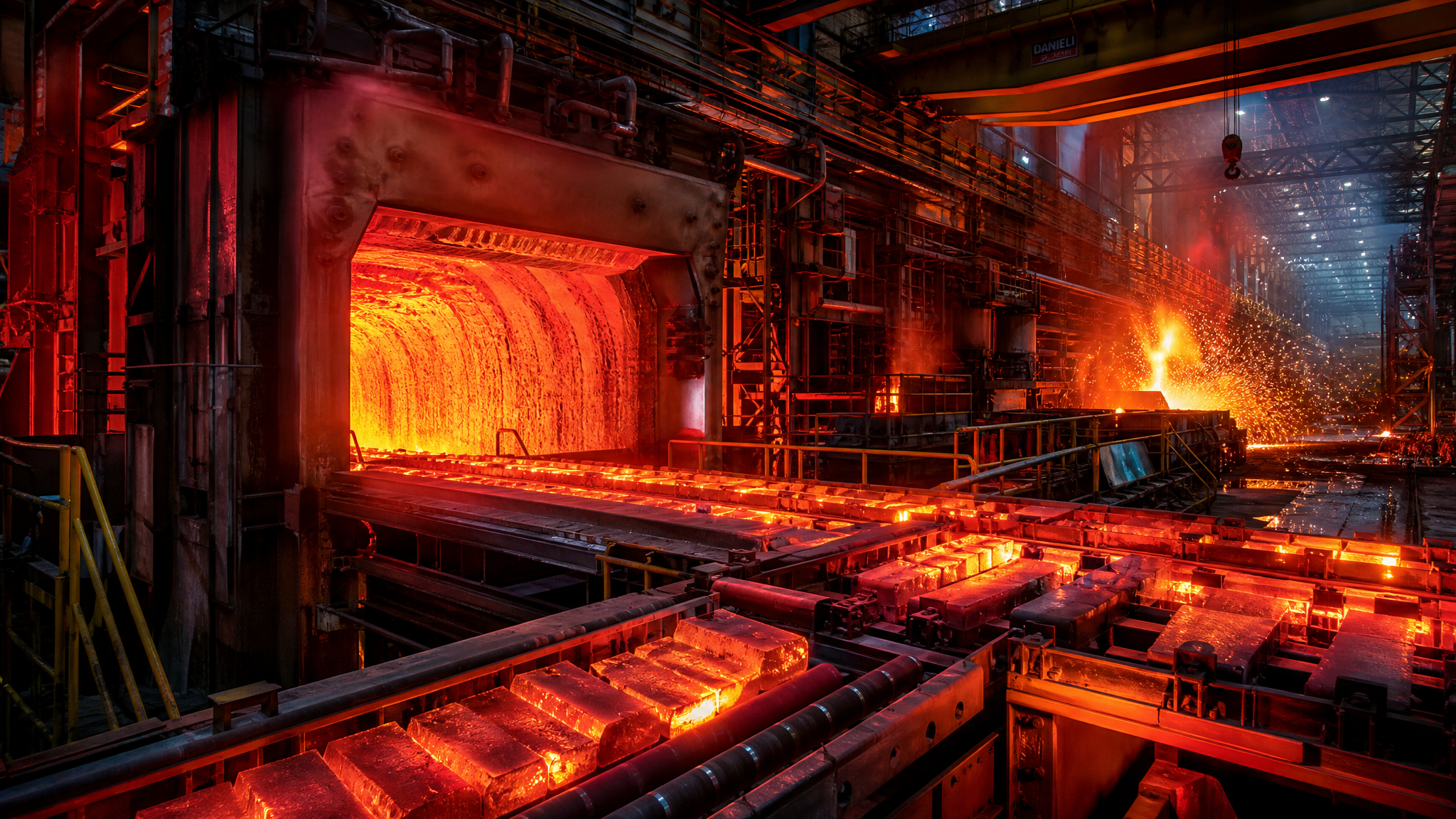
Application Testing
Every product is tested in real-world conditions before release, ensuring peak performance.
PTFE Melting Point
Friction Coefficient
Wear Reduction
Chemical Inertness
PTFE Chemical Profile
PTFE (Polytetrafluoroethylene) is a synthetic fluoropolymer with the chemical formula (C₂F₄)ₙ. Discovered in 1938, it has become one of the most important industrial polymers due to its unique combination of properties.
The carbon-fluorine bond in PTFE is one of the strongest known in organic chemistry, contributing to its remarkable chemical resistance and thermal stability. When dispersed as micro-particles in grease formulations, PTFE creates a boundary lubrication film that dramatically reduces friction and wear.